Juniper (Juniperus) shrub
설명
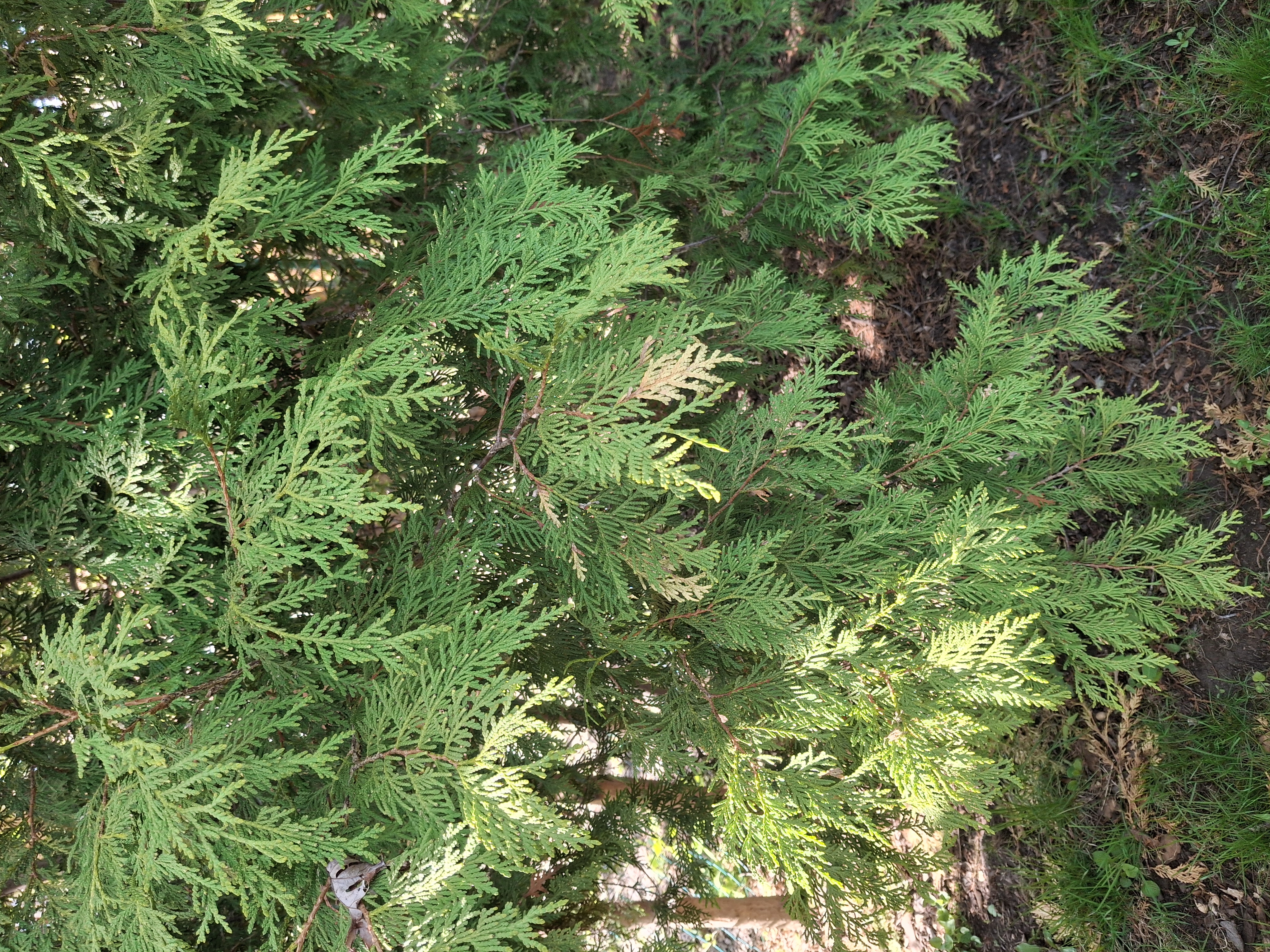
The plant shown in the photos is best identified as a juniper shrub (genus Juniperus), a common evergreen conifer used extensively in gardens and landscapes. The foliage is made up of small, scale-like leaves that create a soft, feathery texture on dense, spreading branches. New growth often appears lighter or yellow-green, which adds brightness to the overall plant during the growing season. The branches tend to have a somewhat cascading or sprawling habit, forming a thick, bushy mass that can serve as a hedge, screen, or ground cover depending on the cultivar and pruning used. While the exact species and cultivar cannot be determined from the photos alone, the characteristics are typical of many evergreen junipers used in temperate gardens, including J. chinensis, J. sabina, or related cultivars that have been selected for dense foliage and low-to-moderate height. What you are seeing is a conifer with a strong evergreen presence and a texture that is both graceful and forgiving in garden settings. The tiny leaves are scale-like and overlap along the shoots, giving the impression of a soft, compact surface rather than sharp needles. This is a hallmark of many junipers and some related cupressaceous plants. The color range—bright to deep greens with lighter new growth—reflects common juvenile vs. mature foliage in junipers, as well as the sun exposure and soil conditions in the planting site. Cultural and landscape uses - Hedges and screens: Junipers are frequently pruned into formal or informal hedges, offering year-round privacy and windbreaks. They respond well to regular shearing when you want a dense, uniform look. - Specimen and foundation plantings: Their evergreen color and textural ripples in the foliage make them attractive as standalone or near-building accent plants. - Ground cover and mass plantings: Spreading cultivars can blanket slopes or beds, suppressing weeds and providing a low-maintenance option. - Drought-tolerant landscapes: Once established, many juniper cultivars are quite drought-tolerant and thrive in well-drained soil with good sun exposure. Key botanical features - Foliage: Small, scale-like leaves arranged along slender shoots form flattened sprays. New growth is often lighter in color, providing contrast throughout the growing season. - Growth habit: The plant in the photos appears to be a dense, spreading shrub rather than a tall, columnar form. Depending on the cultivar, junipers can be low groundcovers, mounding shrubs, or upright trees. - Bark: The bark tends to be reddish-brown to gray, often pebbly or fibrous in older wood; it becomes more apparent on larger, older specimens. - Cones: Junipers bear fleshy berry-like cones that are typically bluish or purplish and help identify the plant as a juniper to a trained eye. These are not always obvious on young or densely cultivated plants. Care and maintenance (general guidelines that apply to most juniper cultivars) Light and site - Sun exposure: Junipers perform best in full sun, which means at least 6 hours of direct sun per day. They tolerate some light shade, but in shade they may become leggy and less dense. - Wind: If planted in exposed sites, provide some shelter. Strong winds can desiccate evergreen foliage, especially on the outer tips. Soil and drainage - Soil type: They prefer well-drained soil. They tolerate a range of soil textures, including sandy or loamy soils, and they often tolerate fairly poor soils better than they tolerate consistently wet, compacted conditions. - pH: Most junipers are adaptable across a range of pH levels, from slightly acidic to neutral; excessive alkalinity or acidity is rarely an issue unless the site is extreme. Watering and moisture - Establishment: Water regularly after planting to help roots establish. Keep the soil evenly moist (not waterlogged) for the first growing season. - Mature plants: Once established, many juniper cultivars are drought-tolerant. Deep, infrequent watering is often preferable to frequent light watering. In prolonged drought, a deep soak every few weeks is usually sufficient. - Avoid waterlogging: Junipers dislike soggy soils, which can lead to root rot and other issues. Fertilization - Timing: Feed sparingly in early spring with a balanced, slow-release fertilizer if growth looks sparse or the plant is in poor soil. Avoid heavy fertilization, which can encourage excessive soft growth more susceptible to cold damage and pests. - Type: A general-purpose conifer or slow-release shrub fertilizer is typically suitable; follow label directions carefully. Pruning and shaping - When to prune: Prune after the main flush of new growth in late spring or early summer. Light, ongoing maintenance pruning is easier than heavy reshaping and helps maintain dense, natural form. - How to prune: Remove dead, diseased, or damaged wood first. For hedges or screens, use selective clipping to maintain a uniform width. Avoid cutting into old, brown wood that shows no living green tissue, as junipers do not readily regrow from old wood. - Containment: If you want a more formal shape, plan a regular pruning schedule; otherwise, let the plant keep its natural, layered look, which is often more visually appealing and less work. Mulching and soil care - Mulch: Apply a 2-3 inch layer of organic mulch around the base (but not touching the trunk) to conserve moisture, regulate soil temperature, and reduce weeds. - Soil improvement: If soil is heavy clay or very poor, amending with organic matter can help drainage and root development, but avoid over-amending with rich organic matter that may promote too-rapid top growth. Pests, diseases, and signs of trouble - Common issues: Junipers can be susceptible to diseases such as cedar-apple rust and root rot if the soil stays wet, as well as pests like scale insects, spider mites, and bagworms. Good air circulation, proper planting depth, and avoiding overly wet conditions help reduce problems. - Symptoms to watch: Yellowing or thinning foliage, dieback on inner or outer branches, resinous (sticky) exudates, or the appearance of small, discolored spots on bark or needles may indicate disease or pest pressure. If pests are visible, appropriate horticultural oils or insecticidal soaps can help, but always follow product instructions and consider the impact on beneficial insects. - Preventive care: Keep the plant well spaced from other vegetation to improve airflow, remove fallen plant debris to reduce overwintering pests, and ensure proper watering practices to avoid overly moist soil that can foster root diseases. Propagation - Cuttings: Many juniper cultivars root well from semi-hardwood cuttings taken in late summer. Use well-draining medium and provide high humidity until rooting occurs. - Layering: Some junipers can be induced to form new plants by bending low branches to the soil, pegging them down, and encouraging them to root. - Seed: Propagation by seed is possible but less reliable for maintaining cultivar traits. Lifestyle and seasonal care - Winter care: Most junipers tolerate cold winters well in temperate climates, though extremely harsh winds and drying winter air may desiccate outer growth. A layer of mulch helps moderate soil temperature. - Summer care: In hot climates, ensure adequate moisture during heat waves. A layer of mulch helps retain soil moisture and reduces weed competition. - Longevity and succession: With proper care, many juniper cultivars live for several decades and can become longstanding backbone plants in a landscape. Regular pruning to maintain desired size and shape can prolong vigor and aesthetic appeal. Common cultivar notes to help with identification and care (optional guidance) - If you are aiming for a neat hedge, you might choose a cultivar that is known for dense, uniform growth and a compact habit. If you prefer a more natural, sprawling look, select a low-growing ground-cover variety and prune only to remove dead wood or to maintain a soft outline. - Scout for cones or berries in late summer or fall; some cultivars feature prominent berry-like cones that add seasonal interest and can help confirm a juniper ID for reference, though not all cultivars display conspicuous fruit. - For those who enjoy edible aspects, juniper berries are used in flavoring spirits like gin, though many landscape cultivars are not intended for culinary use and berries should not be consumed in large quantities without proper identification and guidance. Important notes for this photograph - The plant appears to be a dense, evergreen shrub with scale-like foliage and bright green new growth, typical of several juniper cultivars or related cupressaceous species used in ornamental landscapes. - If you want a more precise identification (species or cultivar), examine the plant for: (1) the exact shape and density of the growth habit, (2) the presence and appearance of cones or berries, (3) the texture of the foliage up close (scale-like versus needle-like), and (4) the bark characteristics. A horticulturist or local extension service, or a comparison with labeled nursery specimens, can help confirm the exact cultivar. In summary, the plant in your photos is most reliably described as a juniper shrub—a versatile evergreen conifer valued for its year-round color, feathery foliage texture, and drought tolerance. With appropriate sun, well-drained soil, and mindful pruning, it can serve as a low-maintenance hedge, a screen, or a decorative accent in landscaped beds. If you provide more details about climate, soil, and your preferred landscape look, I can tailor a precise care plan and suggest a few cultivar options that match the appearance and growth habit you’re aiming for.
식별 시간
2026년 5월 17일
안내
식집사의 기능은 AI를 사용하고 있어 부정확 할 수 있습니다. 단순 재미와 참고용으로만 사용해주세요.