진단 결과
설명
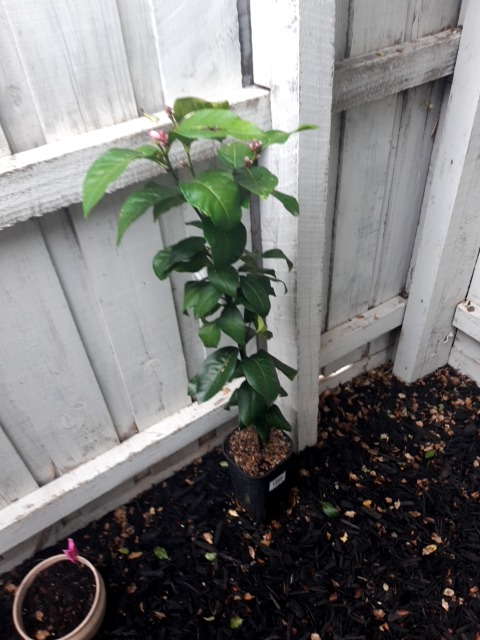
From the photo, the plant appears to be a camellia or similar evergreen shrub with glossy, dark green leaves and new growth at the tip. There are pink flower buds visible, indicating healthy flowering potential. I do not see characteristic symptoms of common diseases such as leaf spots, yellowing, powdery mildew, cankers, or insect infestations (no noticeable honeydew, webbing, stippling, or scale insects). The plant is in a pot with well-draining soil and appears to have adequate space for root growth, though the overall growing conditions (sun exposure, temperature, humidity) cannot be fully assessed from the image alone. Given these observations, there is no diagnosed disease in this photo; the plant looks healthy, but routine vigilance is recommended to prevent issues that camellias are prone to when stressed.
해결 방법
1. Maintain optimal watering, drainage and air circulation to prevent stress-related disease: Camellias and similar shrubs in pots dislike soggy soil, which can lead to root rot and fungal problems. Ensure the pot has drainage holes and use a well-draining, acidic potting mix (a mix designed for camellias or azaleas works well). Water deeply but infrequently, allowing the top inch of soil to dry out before watering again. Avoid overhead irrigation to keep leaves dry at seasonally damp times, which reduces foliar diseases. Place the plant where it receives bright, indirect light for most of the day and good air movement to dry damp foliage after watering or rain. If the plant is in a container, consider periodic repotting every 1–2 years to refresh soil and check root health, trimming any dead or circled roots during repotting. Regularly inspect the soil moisture and adjust watering in response to weather: hotter, drier periods require more frequent but still moderate watering, while cooler periods require less. Keeping a consistent watering routine helps prevent stress-induced susceptibility to disease and supports vigorous new growth and flowering. 2. Proactive pest and disease scouting with targeted treatments when needed: Even in the absence of visible issues, routine scouting is essential. Check the undersides of leaves and leaf axils for pests such as scale, aphids, mites, or mealybugs, which camellias commonly attract. Look for sticky residue, mold, or distorted leaves as early signs. If pests are found, start with a gentle approach: wipe or rinse leaves with water, apply insecticidal soap or horticultural oil per label instructions, and repeat as needed every 7–14 days until control is achieved. If you notice fungal symptoms like spots, a powdery film, or blackened leaves, promptly treat with a fungicide labeled for camellias, following label directions and ensuring good air circulation. Maintain sanitation by removing fallen leaves and pruning away any damaged or crowded growth to reduce favorable habitats for pathogens. Quarantine new plants or cuttings to prevent introducing pests or diseases to the existing plant or garden. Regular monitoring and early intervention are the best defense against disease progression. 3. Nutrient, soil pH, and seasonal care tailored to camellias to minimize stress and disease risk: Camellias prefer acidic soils with a pH around 5.5–6.5; in pots, use a soil mix designed for acidic-loving plants and periodically test pH if possible. Feed sparingly with a balanced, slow-release fertilizer formulated for camellias or azaleas, following product directions and avoiding high-nitrogen formulas that can promote excessive foliar growth at the expense of flowering and root health. Apply fertilizer after the main flush of blooms in spring, and avoid fertilizing late in the growing season to prevent new, tender growth that is susceptible to cold injury. Mulch with a 2–3 inch layer of organic mulch (pine bark, pine needles) to maintain soil moisture, regulate temperature, and gradually improve soil acidity. In winter or during cold snaps, protect the plant from freezing winds and temperature extremes, especially since container-grown plants can be more vulnerable to rapid temperature fluctuations. With balanced nutrition, proper pH, and careful seasonal care, the plant remains resilient against disease pressures and continues to deliver healthy growth and beautiful blooms.
안내
식집사의 기능은 AI를 사용하고 있어 부정확 할 수 있습니다. 단순 재미와 참고용으로만 사용해주세요.