진단 결과
설명
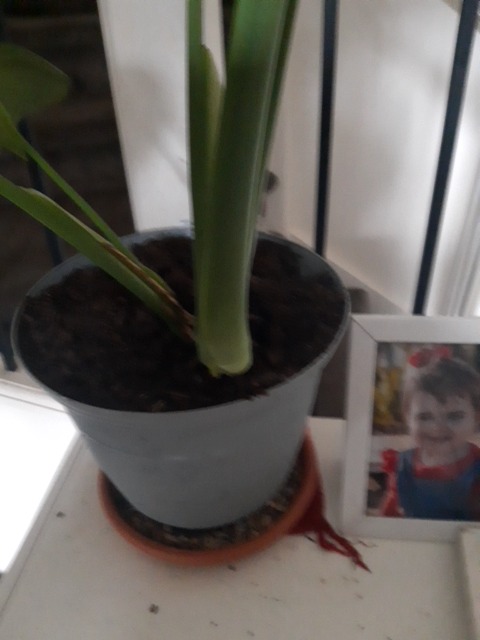
Root rot is a common, moisture-related disease in potted plants. It starts when roots are consistently kept wet or in poorly draining soil, which creates an environment for water molds and fungi to colonize the root system. Symptoms include yellowing or drooping leaves, stunted growth, and a soggy or foul-smelling soil. The roots themselves become brown or black, soft, and mushy rather than firm and white. If left untreated, the rot travels up the stem and compromises the plant’s vascular system, leading to eventual death. In your photo, the soil appears damp and the base of the stem is exposed; although not all symptoms are visible, the most probable diagnosis with this setup is root rot caused by prolonged moisture and inadequate drainage. A precise identification requires inspecting the roots, but the recommended action is to assume a rot and act quickly to remove rot and reestablish a healthy root environment.
해결 방법
1. Immediate rescue and root repair: Power off and quarantine the plant. Gently remove the plant from its pot and carefully shake or rinse away soil to expose the roots. Inspect the entire root ball; trim away all brown, mushy, or foul-smelling roots with clean, sharp scissors or pruning shears. Leave only firm, white or light-tan roots. After trimming, you can disinfect the cut surfaces with a mild solution (such as 70% isopropyl alcohol) and then rinse. Soak or dip the remaining roots in a very diluted fungicide solution or hydrogen peroxide at 3% for a few minutes to help control lingering pathogens, then let the roots air-dry briefly (about 15–30 minutes) to reduce surface moisture before repotting. Prepare fresh, sterile potting mix with excellent drainage (a mix of standard potting soil, perlite, and a bit of orchid bark or coconut coir works well), and select a pot with drainage holes that is only slightly larger than the root ball. Place the plant at the same depth as before, fill gently, and avoid compacting the soil tightly. Water lightly after repotting to settle the medium, and then wait until the top 2–3 cm dry before watering again. Position the plant in bright, indirect light and maintain a steady room temperature. Do not fertilize for 2–4 weeks to avoid stressing the roots; resume light feeding only once new growth appears. Monitor closely for new root growth and overall recovery over several weeks, and adjust watering if signs of stress reappear. Proper sanitation of tools and the pot, plus avoiding reuse of the old soil, are essential to prevent recurrence. This approach is designed to salvage what remains viable, reestablish a healthy root system, and minimize the risk of re-infection by soil-borne pathogens. If rot returns, consider treating the plant as a casualty and starting anew with propagation from healthy portions or fresh plant material, since compromised roots may never fully recover. 2. Long-term cultural changes to prevent recurrence: Establish a consistent, well-draining watering routine. Use a pot with drainage holes and a saucer that allows excess water to drain away; never let the plant sit in standing water. Choose a light, well-aerated potting mix appropriate for tropical or ornamental foliage plants, emphasizing rapid drainage and good aeration. Water only when the top inch or two of soil are dry to the touch, and adjust frequency based on season, humidity, and indoor climate; in winter, water even less. Place the plant where it receives bright light but is shielded from harsh sun that could scorch leaves. Increase air movement around the plant to reduce humidity stagnation, which fosters fungal growth. Periodically inspect root health by gently lifting the plant and examining the root zone during repotting. Use clean tools for each cut and consider rotating plants to prevent shared disease exposure. If you notice persistent wilt or yellowing despite proper watering, test the soil and consider repotting with fresh medium. Regularly clean plant debris and monitor for pests that can stress plants and make roots more susceptible to infection. A proactive routine with good drainage, light, and airflow is your best defense against future root issues and helps maintain a healthy root system. 3. Salvage and propagation options if the plant cannot be fully revived: If significant portions of the root system are irreparably damaged and the plant shows limited or no new growth after a few weeks, you can attempt to propagate healthy cuttings from any remaining green growth. Use a clean, sharp blade to take 4–6 inch cuttings with at least one healthy leaf node. Allow cuttings to callus for 1–2 days in a warm, dry place, then root them in a small amount of fresh, sterile potting mix or perlite with a rooting hormone. Keep the cuttings in bright, indirect light and maintain even humidity until roots establish. Once new roots form, transplant into well-draining soil and gradually reintroduce feeding. This approach enables you to salvage some plant material even if the main plant cannot be fully recovered. It also provides you with a clean start by removing potential pathogens with clean propagation material and fresh soil. If you are unable to salvage the plant, consider using the plant’s decorative pot to house the propagated cuttings, or start anew with a replacement specimen, ensuring you follow best practices for potting mix, drainage, and watering to prevent recurrence.
안내
식집사의 기능은 AI를 사용하고 있어 부정확 할 수 있습니다. 단순 재미와 참고용으로만 사용해주세요.