진단 결과
설명
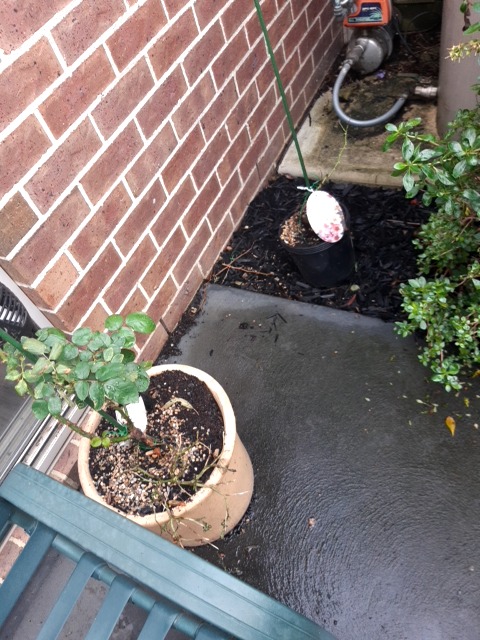
Root rot is a condition caused by excessive soil moisture and poor drainage in potted plants. When soil stays wet for extended periods, oxygen is limited around the roots, which promotes the growth of water-loving pathogens such as Phytophthora and Pythium. The symptoms often begin with subtle signs on the foliage—yellowing lower leaves, drooping or stunted growth—even while the top of the soil may feel damp. If the root system is inspected, affected roots become dark, mushy, and emit a foul odor, unlike healthy white, firm roots. In the photo, the plant is placed on a wet, tiled surface near a brick wall with water pooling around the pot, suggesting chronic overwatering or poor drainage, both of which are classic contributors to root rot. Addressing root rot requires both immediate treatment to salvage the plant and long-term changes to watering and drainage to prevent recurrence.
해결 방법
3. Organic and low-tox remediation options plus decision points. If you prefer a gentler, less-chemical approach, start by using hydrogen peroxide as a root-soaking rinse before repotting: mix 3% hydrogen peroxide with water at a ratio of about 1:4 (one part peroxide to four parts water) and soak the roots for 5–10 minutes to help sanitize the root surface and increase oxygen diffusion before replanting in fresh medium. After soaking, wash away excess solution and proceed with the fresh-potting steps described above. You can also use cinnamon powder as a natural antifungal agent sprinkled on the surface of the potting mix to help deter surface pathogens while new roots form; this is a low-risk, anecdotal approach that some gardeners find beneficial. Additionally, introduce beneficial microbes into the soil—look for commercial mycorrhizal inoculants or bacterial products designed for root health—to help establish a resilient root zone that better tolerates minor moisture fluctuations. Monitor the plant’s response closely; if new growth emerges, maintain careful moisture control and gradually reintroduce a regular feeding schedule. If, after several months, the plant shows persistent decline or continues to harbor rot signs despite these measures, the stress and damage may be too extensive; in such cases, gracefully removing the plant from the collection and replacing it with a healthier specimen may be the most prudent option to protect the rest of your garden. Long-term success with these strategies relies on consistent attention to drainage, moisture, and air circulation, as well as adapting to the specific needs of the plant species involved.
안내
식집사의 기능은 AI를 사용하고 있어 부정확 할 수 있습니다. 단순 재미와 참고용으로만 사용해주세요.