진단 결과
설명
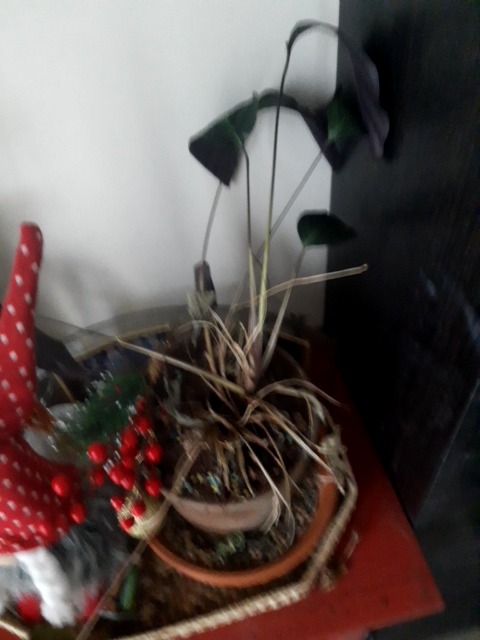
Root rot is a common fungal disease in potted plants caused by overwatering, saturated soil, or poor drainage. Fungi such as Phytophthora and Pythium invade the feeder roots, causing tissue decay, reduced water and nutrient uptake, and eventual collapse of the canopy. Early signs include drooping or yellowing leaves, browning tips, and a generally leggy, stressed appearance. When you lift the plant, you may find a soft, brown, or mushy root ball instead of firm, white roots. The soil may remain damp for extended periods, and a foul, rotten smell may be noticeable. In the photo provided, the plant looks stressed with a leggy growth habit and some yellowing/browning on leaves; the root zone could easily be waterlogged, making root rot plausible. A definitive diagnosis requires inspecting the roots directly, but given the symptoms, addressing potential root rot promptly is essential to save the plant.
해결 방법
1. Immediate salvage and sanitation approach: - Carefully remove the plant from its pot and gently shake off as much soil as possible while avoiding further root damage. Inspect the root ball: healthy roots are firm, white, and odor-free; diseased roots are brown/black, mushy, and may smell sour. - Using clean, sharp scissors or pruning shears, trim away all rotted or mushy roots until only firm white roots remain. If the crown tissue is soft or discolored, remove those sections too. After cutting, rinse the remaining roots with clean water and pat dry with a clean towel. - Optional but beneficial: soak the root system in a 1:4 dilution of 3% hydrogen peroxide in water for 5–10 minutes to reduce residual pathogens, then rinse lightly. This helps decontaminate the root surface before replanting. - Discard the old potting mix and sanitize the pot or choose a new container with drainage holes. Wash or sterilize all tools used during pruning to prevent re-infection. - Prepare fresh, well-draining potting mix. A common mix for leafy houseplants: 2 parts standard potting soil, 1 part Perlite or pumice, 1 part orchid bark or coconut coir. The goal is to maximize aeration and drainage rather than compaction. - Replant at the same depth or slightly higher to avoid crown rot. Lightly firm the soil around the roots to remove air pockets, then water sparingly to settle the mix. Do not saturate; allow the top 2–3 cm of soil to dry before the next watering. - Place the plant in bright indirect light. Avoid direct sun, which can stress stressed roots. Maintain stable temperatures (roughly 65–75°F / 18–24°C) and avoid drafts. - Postpone fertilizer for 2–4 weeks to give roots time to re-establish. When resuming, feed at half strength with a balanced houseplant fertilizer every 4–6 weeks during active growth. - Monitor closely for signs of recovery: new growth, firmer roots, and improved turgor. If there is no improvement after 6–8 weeks, consider taking cuttings from healthy-looking stems and propagating them in fresh medium as a backup, or responsibly dispose of severely compromised plant parts to prevent persistence of pathogens. - Long-term caution: ensure containers have drainage, avoid leaving pots sitting in saucers of water, and adjust watering to the plant’s seasonal needs. Keep the soil slightly on the drier side between waterings and ensure air circulation around the root zone to prevent reoccurrence of rot. 2. Preventive and long-term care plan: - Use a drainage-friendly pot and mix. When planting, choose a pot with drainage holes and a saucer that allows excess water to escape. A coarse, well-aerated substrate (with perlite, pumice, or coarse bark) helps prevent waterlogging. Repot if the plant has become root-bound, as cramped roots reduce drainage and contribute to moisture retention. - Water management: determine your plant’s moisture needs by checking the top 2–3 cm of soil before watering. If it’s still damp, wait a day or two. In general, many tropical foliage plants prefer to dry slightly between waterings. For plants near heating or cooling vents, adjust watering since evaporative loss can be higher or lower depending on airflow. - Humidity and temperature stability: maintain moderate humidity and steady temperatures. Extremely dry air or sudden temperature swings stress plants and exacerbate root problems. Group plants together to increase ambient humidity or use a humidifier if needed. - Light optimization: provide bright indirect light. Insufficient light often leads to leggy growth, which can make the plant more susceptible to stress and rot due to longer, thinner roots trying to support a large above-ground canopy. - Regular inspection: monthly checks of roots when repotting, plus watching for signs of dithering growth, yellowing leaves, or soft sections of the stem, can catch issues early. If you notice persistent soil that stays damp, review your potting mix and watering routine. - Pest and disease watch: damp conditions can invite fungal pests and gnats. Maintain cleanliness and avoid overwatering to reduce risk. If pests appear, treat with appropriate, plant-safe products and adjust cultural care to support recovery. - Nutrient management: once roots are re-established, resume feeding at half strength. Avoid heavy fertilization while recovering, as excessive nutrients can stress roots that are still healing. 3. Alternative salvage strategy and care variations if root rot is confirmed later: - If root rot is confirmed and some root tissue remains viable, you can attempt to propagate from healthy cuttings as a proactive safety net. Cut a few stems with several healthy leaves and place them in a clean moist medium with good drainage. Use rooting hormone to encourage root formation, and maintain high humidity around the cuttings (a clear plastic bag or humidity dome) until roots form. Keep the cuttings in bright indirect light and avoid overwatering. Once reliable roots form, transplant them into fresh medium and treat as above, but with careful water management. - If the plant is severely compromised and does not show any sign of recovery after pursuing these steps, it may be more prudent to discontinue attempts on that specimen. Dispose of heavily diseased plant material to prevent spread of pathogens to other plants, and consider starting with a fresh plant for your space. In the future, adopting a preventive routine (proper potting mix, correct pot size, and disciplined watering) can significantly reduce the risk of recurrence. By implementing sanitation, careful root work, and sound cultural practices, you maximize the chance of salvage for a plant that is currently under stress, while laying groundwork to maintain plant health for the long term.
안내
식집사의 기능은 AI를 사용하고 있어 부정확 할 수 있습니다. 단순 재미와 참고용으로만 사용해주세요.