Diagnosis Result
Description
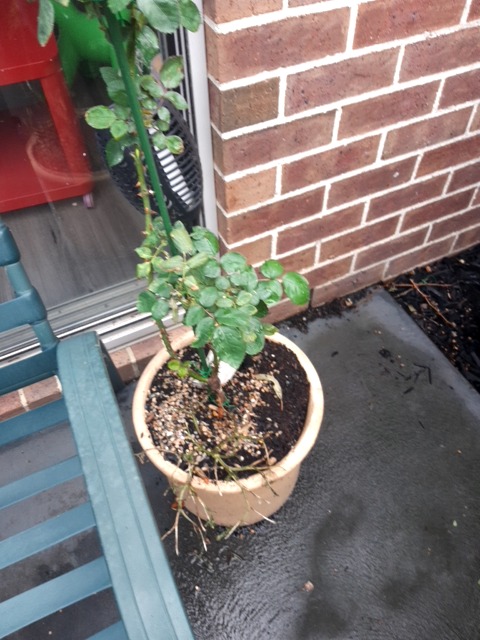
Rose black spot is a common fungal disease of roses caused by Diplocarpon rosae. It appears as round to irregular black or purplish spots on the leaves, often with a yellow halo, starting on the lower leaves and spreading upward as the season progresses. Heavily infected leaves turn yellow, drop prematurely, and can weaken the plant. The fungus overwinters in infected leaves and can be splashed onto new growth by rain or overhead irrigation. In potted roses or containers, excess moisture and crowded growth increase disease risk. Effective management combines sanitation (removing diseased material), cultural practices (improving air circulation and watering at the base), and, when necessary, fungicide applications labeled for roses.
Solution
1. Immediate sanitation and reduction of disease spread: Begin by carefully inspecting the plant and removing all visibly infected leaves and any heavily spotted tissue. Do not compost these clippings; bag them for disposal and disinfect pruning tools with 70% alcohol or a ~10% bleach solution between cuts to prevent cross-contamination. Collect and dispose of all fallen leaves and debris from the pot and surrounding area since spores survive there and can reinfect the plant. Lower leaves are typically affected first, so prune enough to lift the canopy and improve air flow, while leaving enough healthy growth to sustain the plant. After pruning, dispose of the waste far from other plants. Water should be applied at the base of the plant (drip or soaker hose) rather than from overhead spray to minimize leaf wetness, which favors fungal growth. Move the pot to a sunnier, breezier location if possible to speed leaf drying and reduce humidity around the foliage. If you plan to use a fungicide, choose one labeled for rose black spot (chlorothalonil, myclobutanil, or a sulfur-based product) and follow the label for rate and safety. Always store and handle chemicals safely, keep children and pets away, and re-apply only as directed by the product label. Recheck the plant about a week after treatment for new signs of infection and adjust your cultural practices accordingly. The overarching aim is to reduce leaf wetness, lower inoculum in the environment, and bolster plant vigor so it can recover and resist further infection. Even with sanitation and cultural steps, some infections may persist; in such cases, a scheduled fungicide program during wet periods can help to protect new growth while you continue to improve conditions. Remember, early intervention yields the best outcomes for potted roses in compact spaces. 2. Long-term cultural management and monitoring: To keep black spot under control over seasons, focus on practices that limit fungal development and promote plant resilience. Ensure good air circulation by pruning to open the center and removing crowded or crossing canes; trim away any remaining lower foliage that touches the soil or blocks light. Use a well-draining potting mix and a pot with adequate drainage holes; repot if the soil remains damp or the plant is root-bound, replacing with fresh, sterile mix. Mulch around the base with organic matter to stabilize moisture and reduce soil splash, but keep mulch several centimeters away from the stem to prevent rot. Water at the base with a drip or soaker hose, preferably in the morning so the foliage has time to dry during the day; avoid overhead watering on cool or windy days to minimize leaf wetness and spore dispersal. Regularly remove fallen leaves, especially during autumn, and dispose of them properly. If you see recurrent symptoms despite these measures, begin a preventive fungicide program during wet periods—use a rotating approach to reduce resistance, and only apply according to the product label. Organic options such as sulfur or copper-based fungicides can be used where permitted but must be applied carefully to avoid phytotoxicity, particularly on young leaves. Keep in mind that maintaining plant health through proper nutrition and watering is essential; a stressed plant is more vulnerable to disease, so provide balanced fertilizer, avoid overwatering, and monitor for pests that can compound stress. This comprehensive approach of sanitation, airflow, moisture control, and prudent chemical protection can substantially reduce black spot incidence in container-grown roses and preserve their vigor and bloom production. 3. Prevention and readiness for future seasons: The best defense is proactive prevention. Where possible, select disease-resistant rose varieties for containers; even susceptible cultivars perform better when grown in ideal conditions with good airflow and sun exposure. Before planting, sanitize containers and soil to minimize carryover of pathogens; use fresh, sterile potting mix and ensure the pot is clean and has drainage. Place roses in a bright location with ample air movement to promote rapid leaf drying after watering and rain; this discourages spore germination. Practice rigorous sanitation: remove and dispose of all infected leaves at the end of each season, and clean up fallen debris to reduce overwintering inoculum. Avoid overhead irrigation and water at the base, especially during dawn and dusk when leaf wetness lasts longer. For ongoing disease monitoring, inspect weekly during peak seasons and look for early yellowing or small spots on the newest leaves, which signal the onset of infection. If you notice recurring outbreaks, consider pruning back to healthier wood during dormancy and replacing soil in the pot to remove residual spores. With consistent care, preventive measures, and timely intervention, you can maintain a healthy potted rose and minimize the economic and aesthetic impact of black spot across growing seasons.
Notice
The function of Plantypia is using AI, so it may be inaccurate. Please use it for fun and reference only.