Diagnosis Result
Description
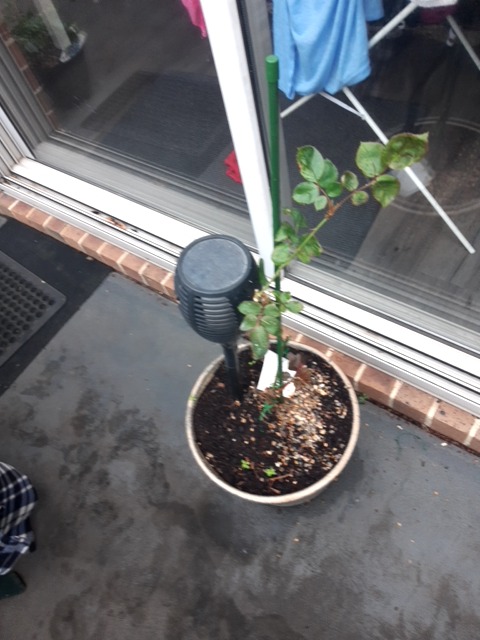
Rose black spot is one of the most common fungal diseases affecting roses and similar ornamental plants. It appears as small round to irregular black or dark brown spots on the upper surface of leaves, often with a yellow halo. Over time, infected leaves yellow, curl, and drop prematurely, reducing photosynthesis and plant vigor. The fungus overwinters in fallen leaves and plant debris; spores are spread by water splashes (rain, irrigation) to new growth, especially in moist, humid conditions. In potted plants, poor air circulation and leaves staying wet after watering exacerbate the problem. Images of early disease typically show scattered spots on foliage with some yellowing around the lesions, which matches the general clue of your plant's appearance. Addressing it quickly with sanitation, cultural controls, and selective fungicide applications can prevent severe defoliation and keep the plant healthy.
Solution
1. Immediate remediation and sanitation: Start by removing all visibly infected leaves and any fallen leaf litter around the pot to break the disease cycle. Use clean, sharp pruning shears and sterilize them with alcohol between cuts to avoid cross-contamination. Do not compost the removed material; bag it and dispose of it with household trash. Inspect the plant and prune back the most severely affected canes to healthy wood if necessary, but avoid excessive defoliation that can stress the plant. Increase airflow around the plant by ensuring it is not pressed against the wall; trim surrounding growth if needed. Move the pot to a location with bright light and good air movement, ideally with morning sun and gentle afternoon breeze to help leaves dry quickly. Change the watering habit to water at the base rather than overhead, preferably in the morning so any moisture on leaves dries during the day. If you decide to use a fungicide, apply a registered rose fungicide such as chlorothalonil or mancozeb following the label directions, ensuring thorough coverage on both sides of the leaves. Rotate to a different mode of action in subsequent treatments to avoid resistance, and reapply at the interval specified by the product label, typically every 7–14 days depending on weather and product. For organic options, sulfur-based products can be effective but should be used per label and avoided on new growth or during high heat. Monitor after each spray and check for new lesions. Always wear gloves and wash hands after handling treated plants. 2. Prevention-focused cultural program: Establish a routine cultural protocol to reduce disease pressure over the long term. Ensure the plant receives at least 6–8 hours of sunlight daily and maintain good air circulation by spacing away from adjacent plants or structures. Use a high-quality, well-draining potting mix and a clean pot; repot the plant if the soil is old or compacted, using fresh soil and ensuring the pot has adequate drainage. Water at the base with a controlled source (drip or soaker hose) to avoid wetting the foliage; water early in the day to give leaves time to dry. Remove and bag any heavily infected leaves promptly to prevent spores from returning to the plant. Clean and disinfect pruning tools after each session and when moving between plants. Apply preventive fungicides only as needed and according to label directions, with careful rotation of active ingredients to prevent resistance. Fertilize lightly and evenly to keep the plant vigorous, avoiding excess nitrogen which can promote lush, susceptible growth. Mulch the soil surface to minimize soil splash. Regularly remove debris from the pot’s surface, and consider a seasonal prune to improve light penetration and airflow through the canopy. A consistent program combining sanitation, proper watering, sun, and air movement will dramatically reduce recurrent infections. 3. Monitoring, evaluation, and long-term management: If infection recurs despite sanitation and initial treatment, reassess environmental conditions and plant vigor. Confirm the species is indeed susceptible and consider replacing with a more resistant cultivar if sustainable control proves difficult. Continue a structured spray schedule with rotation among fungicides with different modes of action, and document dates of application and observed outcomes to adjust timing. Check for secondary pests such as aphids or mites that can stress the plant and predispose it to disease; address them promptly with integrated pest management methods. Ensure the root zone remains healthy by avoiding overwatering and ensuring drainage; consider repotting into fresh, clean soil if roots appear crowded or degraded. If symptoms persist beyond 4–6 weeks of consistent treatment and cultural practices, consider removing the plant to prevent spread to other roses, and replace with a disease-tolerant variety. Keep a garden journal noting environmental conditions, treatments, and results; this will guide future decisions and reduce disease pressure over time.
Notice
The function of Plantypia is using AI, so it may be inaccurate. Please use it for fun and reference only.