Diagnosis Result
Description
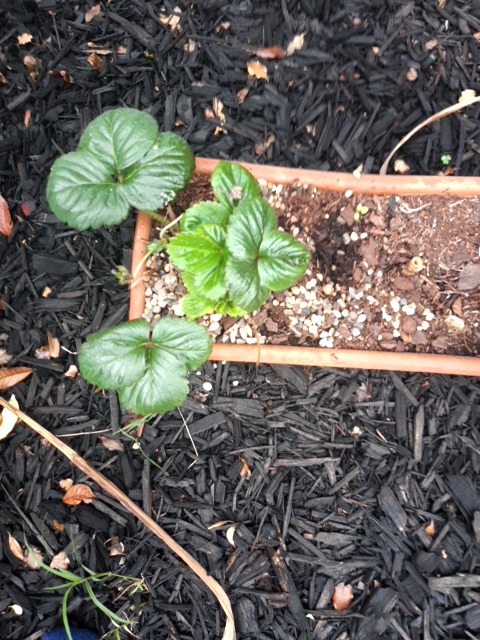
The plant in the photo shows small, round to slightly lobed leaves with a healthy shine but with a lighter green to yellow tone between the veins and relatively pronounced venation. There are no obvious signs of pests (no webbing, sticky residue, or visible insects) and no dark spot fungal symptoms or powdery mildew on the leaf surfaces. In compact container soils, new growth often turns pale when micronutrients—especially iron—are not readily available, either because the soil pH is too high or because there is insufficient iron in the mix or degraded by salts. This pattern (interveinal chlorosis with preserved leaf veins) is characteristic of iron deficiency rather than a disease caused by a pathogen. If left untreated, the condition can progress, causing stunted growth and more pronounced yellowing. The plant’s current condition, combined with the quick fix potential of adjusting nutrition, supports a diagnosis of chlorosis due to iron and related micronutrient availability rather than a pathogen-driven disease.
Solution
1. Correcting iron deficiency and nutrient balance: Start by acknowledging that container soils often become alkaline over time, limiting iron uptake even when iron is present. Test the potting mix pH; if it is consistently above about 6.5–7.0, iron becomes inaccessible to many ornamentals. If pH tests show high alkalinity, loosen the soil and gently repot the plant into fresh, well-draining potting mix labeled for houseplants, ideally with a slightly acidic to neutral pH. Immediately supplement with an iron chelate product (Fe-EDDHA or Fe-EDTA) following the label directions for pot plants. You can drench the soil with a solution containing 2–3 mg/L of chelated iron and repeat after 7–10 days if the older leaves remain pale; in addition, apply a foliar iron spray (foliar iron chelate) at a low concentration once a week for 3–4 weeks, ensuring you mist the undersides of leaves to improve uptake. Alongside iron, provide a balanced micronutrient boost: a diluted, complete fertilizer (for example 10-10-10 or 20-20-20) at half strength every 2 weeks during the growing season. Do not fertigate with high levels of calcium or lime when using iron chelate; flush the soil with clean water if you notice a salt buildup. Ultimately, monitor new growth; healthy new leaves should emerge with a deeper green coloration within 3–6 weeks if the pH and iron availability are corrected. If adjusting soil pH directly is challenging in a small container, relying on chelated iron applications is a safer and effective approach. 2–3 sentences long-term maintenance: keep the plant in bright, indirect light to support photosynthesis and healthy uptake of nutrients; water only when the top 1 inch of the soil is dry to avoid leaching and salt buildup; consider monthly light feeding with a micronutrient-containing fertilizer to prevent recurrence. 2. Improving drainage and preventing nutrient salt buildup: Ensure your pot has drainage holes and that excess water freely exits; use a fast-drilling potting mix with some perlite or orchid bark to maintain aeration. If you reuse soil, flush the pot with about 2–3 cups of water to remove accumulated salts before applying any fertilizer or iron chelate; after treatment, avoid overwatering, which can exacerbate nutrient imbalances and root stress. Periodically repot every 1–2 years or when the soil structure becomes compacted, to maintain root health and nutrient availability. For ongoing prevention, water with room-temperature water and avoid letting the plant sit in standing water; place the pot on a tray with a shallow layer of pebbles to raise humidity without oversaturating the root zone. 3. Observational care and troubleshooting: Regularly inspect new growth; if pale leaves persist or progress to full yellowing, recheck soil pH and iron availability, and adjust your regimen. If you notice leaf margin burn, reduce the iron dose and switch to a gentler feeding schedule; if pests appear, treat promptly with an appropriate insecticidal soap so they do not stress the plant further and interfere with nutrient uptake. In this scenario, patience and carefully staged nutrient supplementation typically restore healthy green growth within 4–6 weeks, provided you maintain proper moisture, light, and pH balance.
Notice
The function of Plantypia is using AI, so it may be inaccurate. Please use it for fun and reference only.