Diagnosis Result
Description
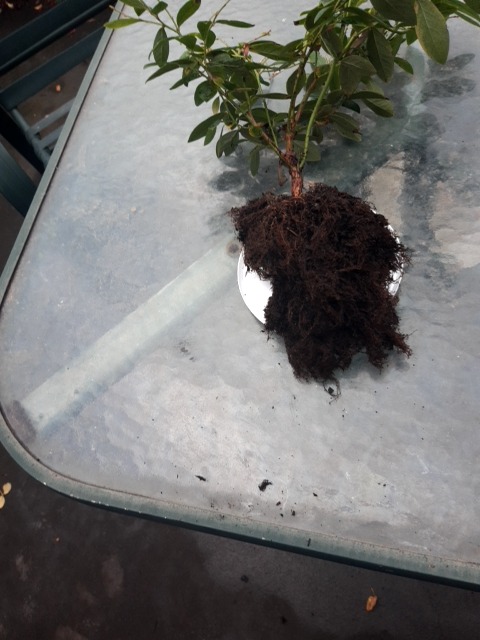
Phytophthora root rot is a common, soil-borne fungal-like disease that attacks the roots of many ornamentals. It thrives in wet, poorly drained media and warm, humid conditions. Infected roots turn brown to black, become soft or mushy, and lose the ability to uptake water and nutrients. Above the soil, plants may wilt, yellow, or droop despite adequate light, and growth becomes stunted. The image shows a plant pulled from its pot with a damp, compacted root ball; the exposed roots appear dark and deteriorated, characteristic of root rot. Overwatering, compacted or inert potting mixes, and pots without drainage holes markedly increase disease risk. To increase the chance of recovery, one must remove the infection source, improve drainage, and adjust watering practices, while using clean tools and sterile media to prevent spread.
Solution
3. Prevention, biocontrol, and ongoing vigilance: To minimize recurrence of Phytophthora in potted plants, implement an integrated prevention plan. After the plant has recovered or if you are introducing new stock, consider applying beneficial soil microbes such as Trichoderma spp. or Bacillus subtilis-based products according to label directions. These organisms compete with pathogens, colonize the rhizosphere, and help protect roots from infection. Regular sanitation is essential: clean all tools with 70% alcohol or a diluted bleach solution between plants, sanitize pots with a 10% bleach solution, and use fresh, sterile potting mix for any repotted specimens. Quarantine new plant acquisitions for 2–4 weeks away from your existing collection to monitor for any signs of root rot or wilt. Do not reuse soil from diseased plants, and dispose of heavily infected material responsibly to prevent spore spread. For ongoing care, maintain consistent drainage, avoid overly wet conditions, and monitor humidity levels, as high humidity can favor Phytophthora. If disease recurs despite these measures, your best option may be to replace the plant and continue with a clean, well-draining setup, since Phytophthora can persist in potting media and re-infect susceptible hosts. This preventive protocol reduces pathogen pressure, supports plant resilience, and lowers the risk of future losses.
Notice
The function of Plantypia is using AI, so it may be inaccurate. Please use it for fun and reference only.