Diagnosis Result
Description
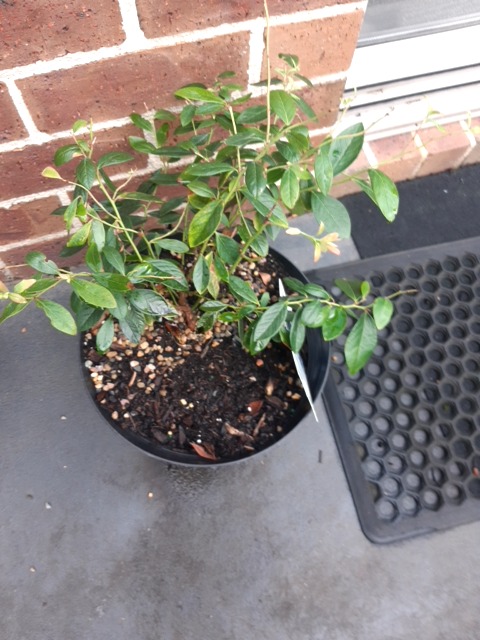
The plant shows general yellowing of leaves, especially on older growth, with reduced vigor and some leaf drop. In potted plants, persistent damp or waterlogged soil commonly leads to root decay by Phytophthora or similar oomycetes, which disrupts water and nutrient uptake and causes symptoms above ground. The soil in the image appears dense and perhaps water-retentive, and the plant is sitting near a brick wall with limited airflow, which can contribute to moisture buildup. While other issues (pests, nutrient imbalances, or transient drought) can produce similar signs, the combination of yellowing, wilt, and a damp medium strongly points to root-associated stress or rot as a primary disease factor. Inspecting roots is essential to confirm the diagnosis and guide treatment. If allowed to progress, root rot can spread and kill the plant, so prompt cultural control is important.
Solution
1. Immediate cultural rescue and root inspection: This approach focuses on removing the pathogen from the root zone and giving the plant a fresh start. Begin by gently removing the plant from its pot and freeing the root ball. Inspect the roots: healthy roots are white or pale and feel firm; rotted roots are brown/black, soft, and may emit a foul odor. Prune away all clearly rotted tissue with clean, sharp scissors or pruners, sterilizing tools between cuts (10% bleach solution works). If most of the root system is compromised, consider cutting back to a healthy, woodier portion of the stem to encourage new root growth later. Do not plant into the same soil. Rinse and sterilize the pot or select a new clean pot with drainage holes. Use a fresh, well-draining potting mix formulated for container shrubs, with added perlite or coarse bark to improve drainage. After repotting, avoid heavy watering for the first 1–2 weeks and place the plant in bright, indirect light to support recovery. Monitor for new growth and be prepared to prune back dead stems to balance the shrub as it regrows. If you opt to use a fungicide, choose one labeled for oomycetes and apply according to label instructions, but remember that cultural practices often have the biggest impact. A slow transition back to normal moisture levels will help prevent recurrence, and you should always ensure excess water can drain away and that there is no waterlogging in the saucer under the pot. Persistent symptoms after cultural steps may indicate more extensive infection; in such cases, disposal of the plant to protect others may be the safest route. 2–4 weeks of careful follow-up is typical to see initial signs of recovery, such as new root tissue or fresh leaf flush. 2. Preventive soil and watering adjustments to avoid recurrence: Implement a consistent watering schedule that keeps the medium evenly moist but never soggy. Allow the top 1–2 inches of soil to dry out before watering again, and water at the base rather than overhead to minimize leaf wetness which can invite pathogens. Use a potting mix designed for good drainage and consider a slightly larger pot if the plant has a compact root ball, as air-filled pockets around roots aid respiration and reduce disease risk. Ensure the pot has drainage holes and never let the plant sit in standing water. Improve air movement around the plant by relocating it to a brighter position with gentle airflow, which helps the root zone dry out between watering cycles. Regularly clean debris from the pot saucer and avoid using soil from another infected plant. 3. Ongoing monitoring, nutrition, and risk mitigation: After recovery, feed lightly with a balanced, slow-release fertilizer formulated for evergreen shrubs, applying only according to label directions and avoiding excessive nitrogen that can promote lush, vulnerable growth. Maintain a stable environment—consistent light, temperatures, and humidity—without drastic shifts that stress the root system. Periodically inspect for signs of re-infection (yellowing, wilting, new mushy roots, odd odor). If symptoms reappear, consider repeating the root check and potentially replacing the medium and pot to break the disease cycle. For households with multiple plants, isolate any that show similar symptoms to prevent spread, and sanitize tools and containers thoroughly after each use. Finally, consider preventative treatments such as soil drench with a product labeled for oomycetes during high-risk periods, but rely primarily on improved drainage, careful watering, and good sanitation to maintain healthy plants long term.
Notice
The function of Plantypia is using AI, so it may be inaccurate. Please use it for fun and reference only.