Diagnosis Result
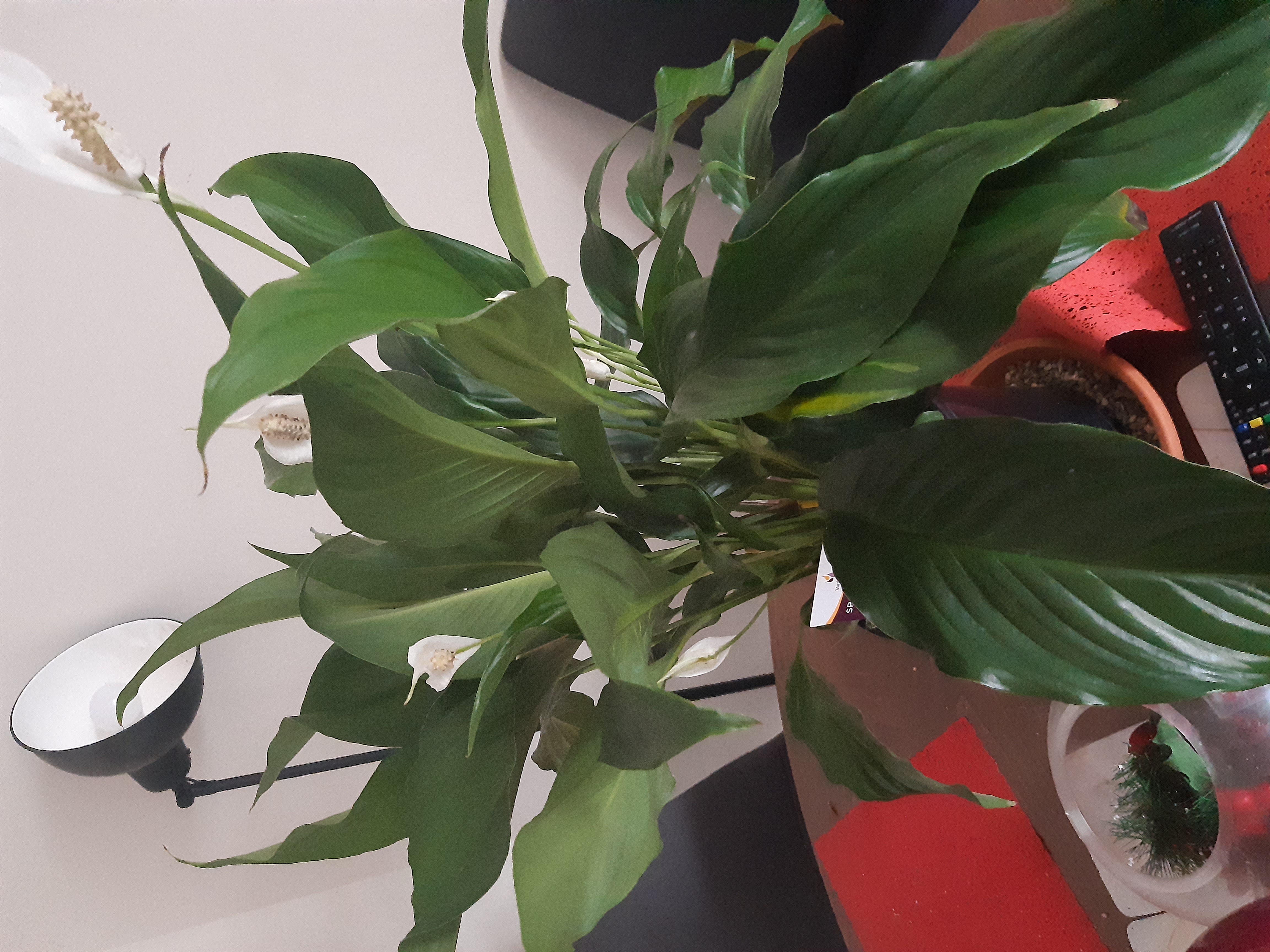
Description
The plant in the image appears to be a Peace Lily (Spathiphyllum) with browning leaf tips. This is a very common non-infectious issue in indoor plants and is usually caused by environmental stress rather than a disease. Typical triggers include low or fluctuating humidity, inconsistent watering (either overwatering leading to root stress or underwatering), buildup of salts from fertilizer, fluoride or chlorine in tap water, cold drafts, or exposure to direct sun that scorches the leaf margins. The leaves themselves look otherwise healthy: rich green color, intact texture, and normal growth habit. There are no obvious signs of pests, fungal spots, or root rot visible in the photo. If browning tips persist despite correcting cultural factors, deeper checks of root health and potential pests may be warranted. A proactive routine of humidity management, refined watering, and gentle pruning often resolves this symptom and supports ongoing vigor.
Solution
1. Quick corrective care for browning tips: The most common cause here is physiological stress from low humidity and inconsistent watering. Start by standardizing watering: check the soil’s top 2 inches; if dry, water thoroughly until water flows from drainage holes; if soil remains moist, wait and recheck in 24 hours. Use room-temperature water; avoid very cold or hot water, which can shock roots. Water quality matters: Peace lilies are sensitive to fluoride and chlorine; if your tap water is hard or heavily chlorinated, consider filtered, distilled, or rainwater. Increase ambient humidity to 50-60 percent. You can place the plant on a tray with a layer of pebbles and some water, ensuring the pot sits on the pebbles and not in water. Mist the foliage in the morning to raise humidity, or run a humidifier nearby; maintain a stable temperature and away from cold drafts or heat vents. Trim brown tips with clean scissors to prevent the damaged tissue from spreading; cut only the brown portion, and disinfect the scissors between cuts. Ensure the plant receives bright, indirect light; too little light can weaken growth, too much direct sun can scorch leaves. Keep the room temperature steady around 18-24 C (65-75 F). Fertilize sparingly; use a balanced fertilizer at half strength every 6-8 weeks during active growth (spring and summer) and avoid fertilizing in winter. If the plant shows new browning tips, re-evaluate the watering cadence, humidity, or fertilizer dose. Repot only if the plant is root-bound; use a well-draining potting mix containing perlite or orchid bark to improve drainage. With consistent environmental control and careful pruning, new growth should appear healthier within a few weeks; monitor for further signs and adjust care as needed.
Notice
The function of Plantypia is using AI, so it may be inaccurate. Please use it for fun and reference only.