Diagnosis Result
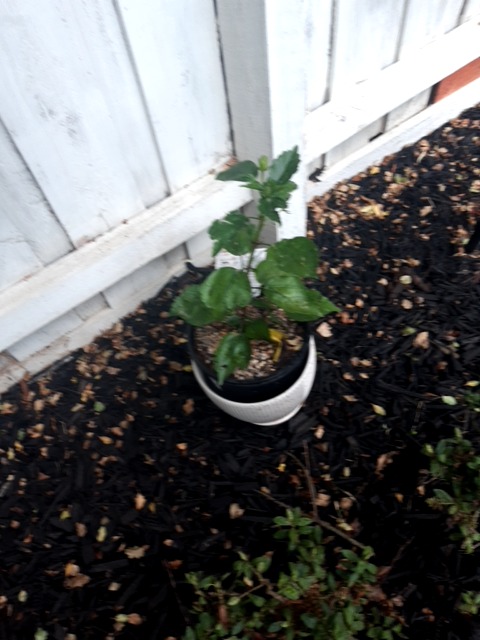
Description
Phytophthora root rot is a soil-borne oomycete disease that attacks the roots of many woody and herbaceous ornamentals. It thrives in wet, poorly drained conditions and can spread via contaminated soil, water splash, and infected potting mixes. Symptoms often begin at or near the soil line, with leaves yellowing, wilting, and eventual collapse, even when watering seems adequate. Infected roots become brown to black, soft, and mushy rather than firm and white; the overall plant appears stressed, with reduced vigor and stunted growth. In container-grown plants, overwatering, slow drainage, or heavy soils exacerbate the problem. While the disease may be introduced via potting media or contaminated irrigation, once established in the root zone, it spreads with continued moist conditions and can be difficult to eradicate from a potting mix alone. Early intervention improves survival odds, but severely infected plants often need to be replaced to prevent spread to nearby plantings. Preventive measures focus on ensuring drainage, avoiding waterlogged conditions, using clean potting media, and minimizing prolonged leaf wetness.
Solution
3. Long-term preventive plan and monitoring with optional treatment if symptoms recur: If the plant survives the initial episode, establish a sustainable routine to prevent future outbreaks. Use sterile or well-composted potting media for any replanting, replace mulch around the container with a breathable, non-compacting layer, and sanitize tools between pruning cuts to avoid cross-contamination. Implement a consistent monitoring schedule: weekly checks for wilting, yellowing, or water-soaked root zones; inspect the root zone after lifting the plant to assess new root activity. If infection recurs, consider applying a systemic or local fungicide labeled for Phytophthora on ornamental plants, again strictly following label instructions. For gardeners growing multiple plants, separate potting areas and avoid moving soil from infected to clean beds. If propagation is desired, take cuttings from healthy tissues with clean, disease-free roots and root them in fresh media under controlled moisture conditions, while keeping them separate from diseased stock. In cases where the infection progress is rapid or widespread in a planting area, discarding severely affected plants and replacing with disease-free stock is often the most reliable solution to prevent reservoir buildup, followed by rigorous sanitation and improved drainage across the garden bed.
Notice
The function of Plantypia is using AI, so it may be inaccurate. Please use it for fun and reference only.