Diagnosis Result
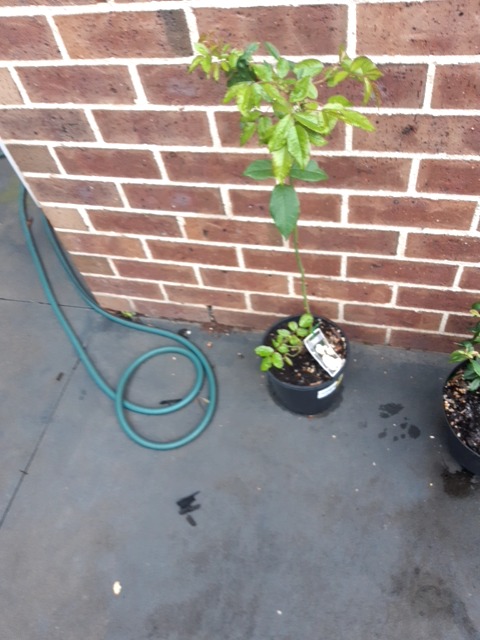
Description
Chlorosis is a common nutrient-related condition in potted plants where leaves turn pale yellow due to insufficient chlorophyll. In many cases this is driven by an iron deficiency, which happens when iron is present in the soil but becomes unavailable to the plant—often because the soil pH is too high (alkaline) or because the roots are stressed or restricted (e.g., being in a small, crowded pot or suffering from drought or root damage). In containers, chlorosis frequently shows up as pale or yellowish new growth with leaves that may retain green veins at first, followed by overall yellowing if the deficiency continues. Other contributors can include excessive soluble salts from fertilizer, poor drainage leading to root stress, and inconsistent watering. While the photo shows a young plant with light yellow new growth, a definitive diagnosis should consider soil pH, root health, and watering history. The recommended approach combines correcting pH, supplying micronutrients, and improving root environment to restore chlorophyll production and healthy growth.
Solution
1. Immediate correction of iron deficiency and pH: Start by testing the potting mix pH. Aim for a slightly acidic to neutral range (pH 6.0–6.5) for most fruiting shrubs and ornamentals. If pH is above that, gently lower it using a soil acidifier or by replacing part of the mix with fresh, well-draining material that has not been exposed to alkaline irrigation. Apply a chelated iron product (such as Fe-EDDHA or Fe-EDTA) according to label directions, either as a soil drench near the root zone or as a foliar spray every 7–10 days for 3–4 applications, watching for new green growth to appear. Alongside iron, provide a light, complete micronutrient fertilizer (including manganese, zinc, and boron) at a reduced rate to avoid salt buildup. After applying these corrections, water with tepid, non-chlorinated water and ensure the pot has good drainage to prevent root rot. Avoid overwatering, which can compound nutrient lockout, and keep the plant in bright, indirect light to encourage steady photosynthesis and recovery. If symptoms persist after 4–6 weeks, reassess root health and consider repotting with fresh, well-draining potting mix, as a stressed root system can continually limit nutrient uptake and iron use. 2. Root system assessment and repotting for improved uptake: A small vessel can easily become rootbound or accumulate salts, both of which impede nutrient uptake and exacerbate chlorosis. Carefully remove the plant from its pot and inspect the roots. If you see a dense white or brown network circling the pot, prune away any dead or mushy roots with clean scissors and trim the remaining healthy roots by about 10–20% to encourage new growth. Choose a pot only 1 size larger than the current one and fill with fresh, well-draining potting mix designed for container fruiting shrubs or trees (a mix of peat-based medium with perlite or vermiculite). Plant at the same depth as before, water gently to settle the soil, and apply a balanced slow-release fertilizer at half the label rate for the first feeding. After repotting, place the plant in a location with morning sun and some afternoon shade to reduce stress while roots re-establish. Monitor soil moisture closely—keep it evenly moist but not soggy, and avoid letting the plant dry out completely between waterings. Over the next 4–6 weeks, assess new growth color; if chlorosis improves, you’ve likely corrected the primary issue. If not, consider a more thorough soil pH correction and potential nutrient testing. 3. Long-term cultural practices to prevent recurrence and drive healthy recovery: Prevention hinges on stable root health and appropriate nutrient availability. Maintain a consistent watering routine that provides even moisture without saturating the soil; use filtered or rainwater if your tap water is high in bicarbonates or minerals that raise soil pH. Regularly monitor the potting mix: refresh or repot every 1–2 years or when you notice gradual decline in vigor; choose a well-draining mix and ensure each container has drainage holes. Fertilize with a balanced product formulated for fruiting or ornamental plants, applying at the recommended rate but avoiding a high-salt schedule; consider periodic micronutrient boosts (iron, manganese, zinc) during active growth, especially in spring and early summer. If you notice new symptoms such as leaf curling, brown tips, or pest presence (e.g., aphids, scale), address them promptly with appropriate controls. Finally, observe light exposure: provide enough bright, indirect light to sustain photosynthesis without creating heat stress on the tender new growth; rotating the pot regularly helps ensure even growth. With these measures, chlorosis should subside as the plant rebuilds healthy chlorophyll and resumes uniform green growth.
Notice
The function of Plantypia is using AI, so it may be inaccurate. Please use it for fun and reference only.