Diagnosis Result
Description
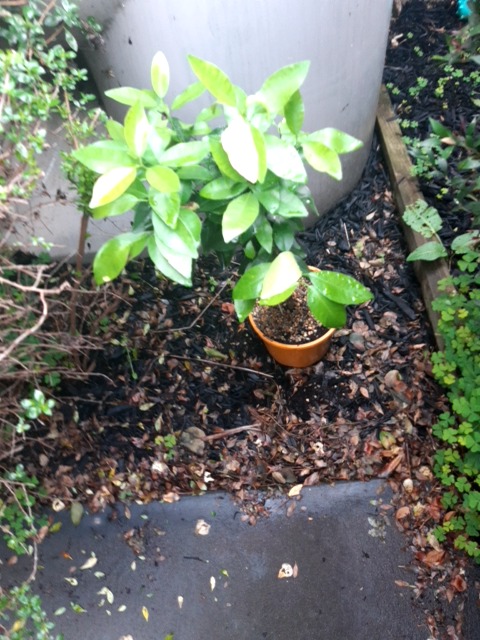
The plant appears to be a young citrus seedling. The leaves are a bright lime-green color, which commonly indicates nutrient deficiency, most often nitrogen, especially in potted plants where soil nutrients become depleted quickly. Nitrogen deficiency causes older leaves to yellow first and growth to slow, while new growth can remain pale if the problem persists. Other contributing factors can include overwatering or poor drainage, which reduces nutrient uptake, and alkaline or poorly balanced soil pH that can lock up micronutrients like iron, compounding chlorosis. In your photo, the plant looks generally healthy but shows lighter-than-normal foliage and a compact, somewhat stressed growth habit, which fits a nutrient-short or water-logged scenario. Proper diagnosis should consider watering routine, potting medium, drainage, and whether a balanced feed has been provided recently. If untreated, this can stunt future growth and reduce vigor.
Solution
1. Check watering and drainage: Ensure the pot has drainage holes and the mix drains well. Citrus dislike consistently waterlogged roots. Allow the top 1–2 inches of soil to dry out before watering again, then water thoroughly so excess drains away. If the pot stays wet for long periods, consider repotting into a fresh, well-draining potting mix (citrus mix or a mix of peat, perlite, and composted bark). This helps oxygen reach roots and prevents rot, which can masquerade as nutrient deficiency. After adjusting watering, observe for 2–3 weeks to see if leaf color begins to improve. 2. Provide nitrogen-rich, appropriate fertilizer: Apply a citrus-specific or balanced fertilizer with a higher first-number N (example: 6-4-6 or 8-2-10 with micronutrients). For a small seedling, use a half-strength dose and fertilize every 4–6 weeks during active growth (spring and summer). Avoid over-fertilizing, which can burn roots and worsen stress. If the plant is in winter dormancy or low-light conditions, skip or drastically reduce feeding. Regular, gentle feeding supports new leaf growth and helps restore the deep-green color as nitrogen is taken up. 3. Check soil pH and micronutrient availability: Test soil pH; citrus prefer slightly acidic to neutral soil (roughly pH 6.0–6.5). If the soil is too alkaline (pH above ~7.0), nitrogen utilization improves but micronutrients like iron become less available, which can also create pale leaves. If pH is high, you can gradually lower it using soil acidifiers (like elemental sulfur) or by using a fertilizer formulated for acidic soils. If iron deficiency is suspected (pale new leaves with green veins), consider a short-term foliar spray or soil drench with an chelated iron product following label directions. Do not attempt drastic pH changes at once; adjust slowly over weeks. 4. Improve light and overall plant vigor: Place the plant where it receives bright light for most of the day. Citrus perform best in full sun or very bright, indirect light. If the plant is indoors, a south-facing window or supplemental grow light (10–14 hours daily) can boost photosynthesis and nutrient uptake, supporting recovery. Avoid scorching heat by gradually acclimating the plant if moving from shade to sun. Improved light helps leaves develop properly colored, robust tissue and accelerates the response to fertilization. 5. Inspect and refresh the root zone: If the plant remains stunted or the leaves stay pale after adjusting watering and feeding, gently remove the plant from its pot and inspect roots. Healthy roots are white or light tan and firm; mushy, dark, or foul-smelling roots indicate rot. If rot is present, prune away affected roots with clean scissors, let the root ball dry for 1 day, then repot into fresh, sterile citrus mix with a good drainage ratio. This step often resolves chronic nutrient uptake problems caused by compromised roots. 6. Monitor and adjust over time: Keep a simple growth diary—note watering days, fertilizer applications, light level, and leaf color. Record improvements over 4–6 weeks. If yellowing persists despite correct watering and gentle feeding, re-test soil pH and consider a micronutrient supplement (zinc, manganese, or iron chelate) as appropriate. Avoid high-dose nitrogen late in the growing season; abrupt changes can lead to leaf drop. With consistent care, the plant should regain vigor, produce deeper green foliage, and resume normal growth within a couple of growing cycles.
Notice
The function of Plantypia is using AI, so it may be inaccurate. Please use it for fun and reference only.